In short
Fit comes down to support. Every part of the site — quiz, recommendation, product pages, post-purchase help — explains it the same way, so you never have to re-learn what the match meant.
How It Works
Maple starts with how you actually sleep — position, mattress feel, shoulder width, and comfort habits — then matches those clues to one of eight pillow profiles. The goal is simple: the right height once your head is actually on the pillow, not a vague softness rating.
In short
Fit comes down to support. Every part of the site — quiz, recommendation, product pages, post-purchase help — explains it the same way, so you never have to re-learn what the match meant.
Fit guide
4 steps
A short path from how you sleep to the profile that makes sense.
Support proof
Real use
Maple looks at how tall the pillow stays once your head is on it.
Follow-through
After purchase
The same fit guidance continues into setup help and the fit guarantee.
Why it works
Position, mattress feel, shoulder gap, and comfort habits all change how much pillow height feels right. The match starts there, not with shelf labels.
A pillow is experienced in bed, not on a product grid. Maple focuses on the height that remains once the pillow is doing its job.
Fewer profiles make the result easier to believe. The recommendation lands in a compact range instead of a crowded wall of near-duplicates.
01
Position, mattress feel, shoulder width, neck length, body size, movement, and any habits like putting an arm under the pillow. A short quiz, about 60 seconds.
02
Each answer changes the recommendation. A softer mattress, for example, lets your shoulder sink more, which changes how much height your pillow should provide.
03
Instead of scrolling eight product pages, you land on the one that fits what you described — with a plain explanation of why.
04
Sleep on your matched pillow at home. If the profile is not right, the free fit replacement covers the correct match at no charge.
What we ask about
Sleep position
Side, back, and mixed sleepers usually need different pillow heights.
What we ask about
Mattress feel
A softer mattress lets the shoulder sink more, which changes the height the pillow needs to provide.
What we ask about
Shoulder gap
Broader shoulders usually need more lateral fill. Narrower shoulders usually need less.
What we ask about
Pillow workarounds
Arm-under habits, folding, or stacking usually point to a pillow that is too low or too high.
What we measure
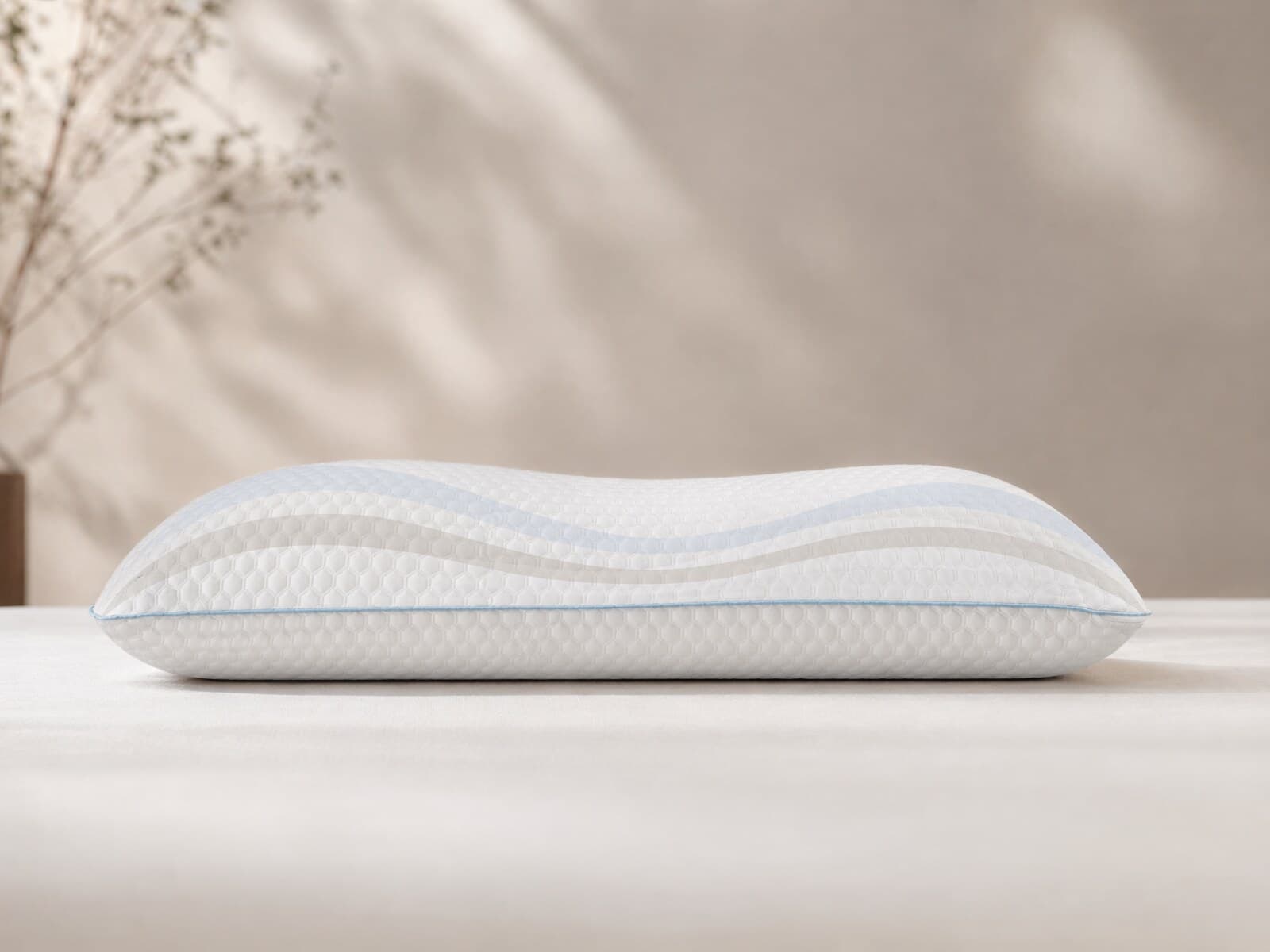
Loaded height
A pillow that looks tall can still sink too far. Maple cares about how much height it keeps once your head is actually on it, because that is the support your neck and shoulders feel.
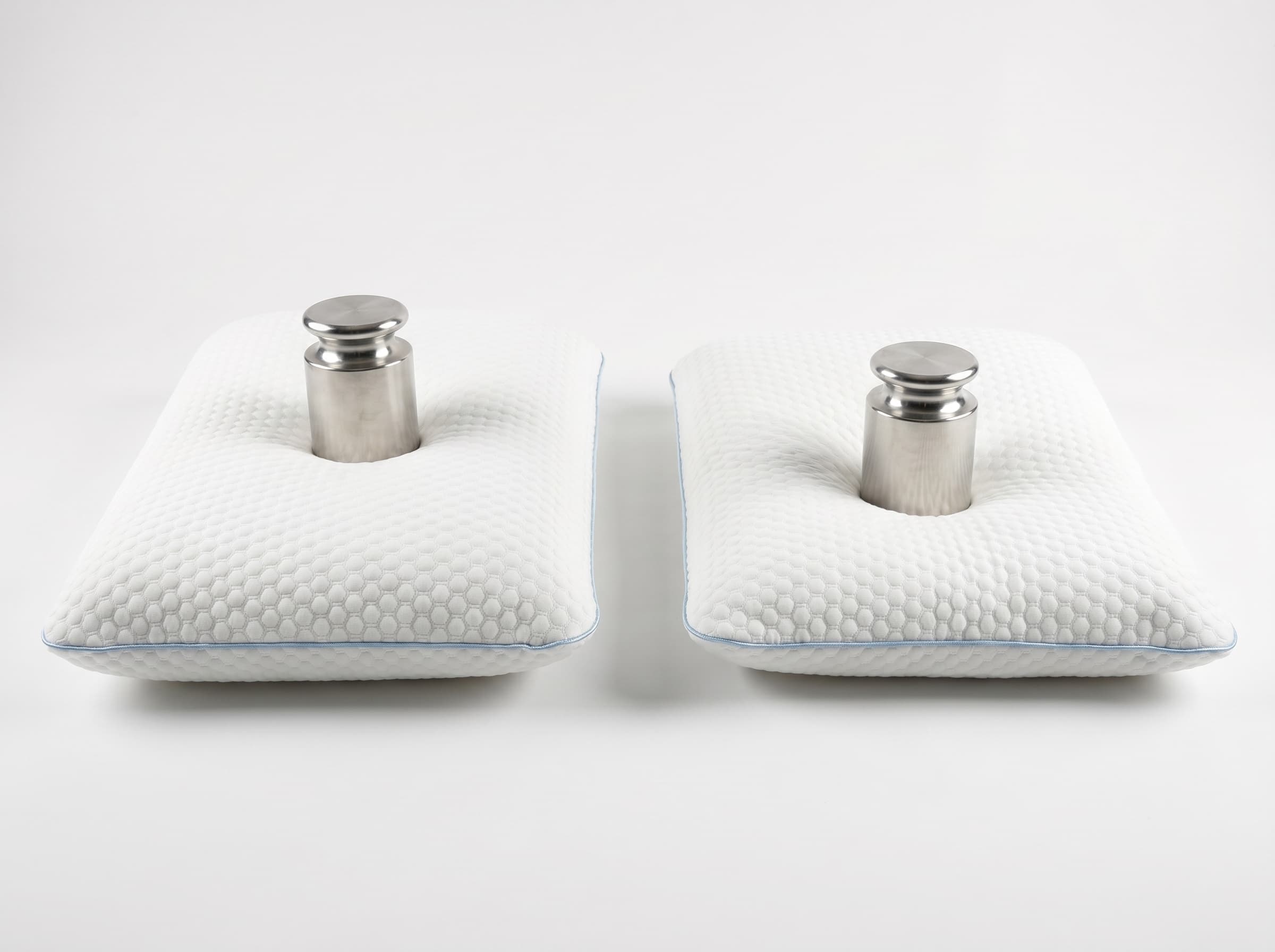
Settling behavior
Some pillows feel supportive for a moment and then settle too far by the time you wake up. Maple looks at early feel and later settling so the recommendation is tied to what happens through the night, not just in the first minute.
How we test
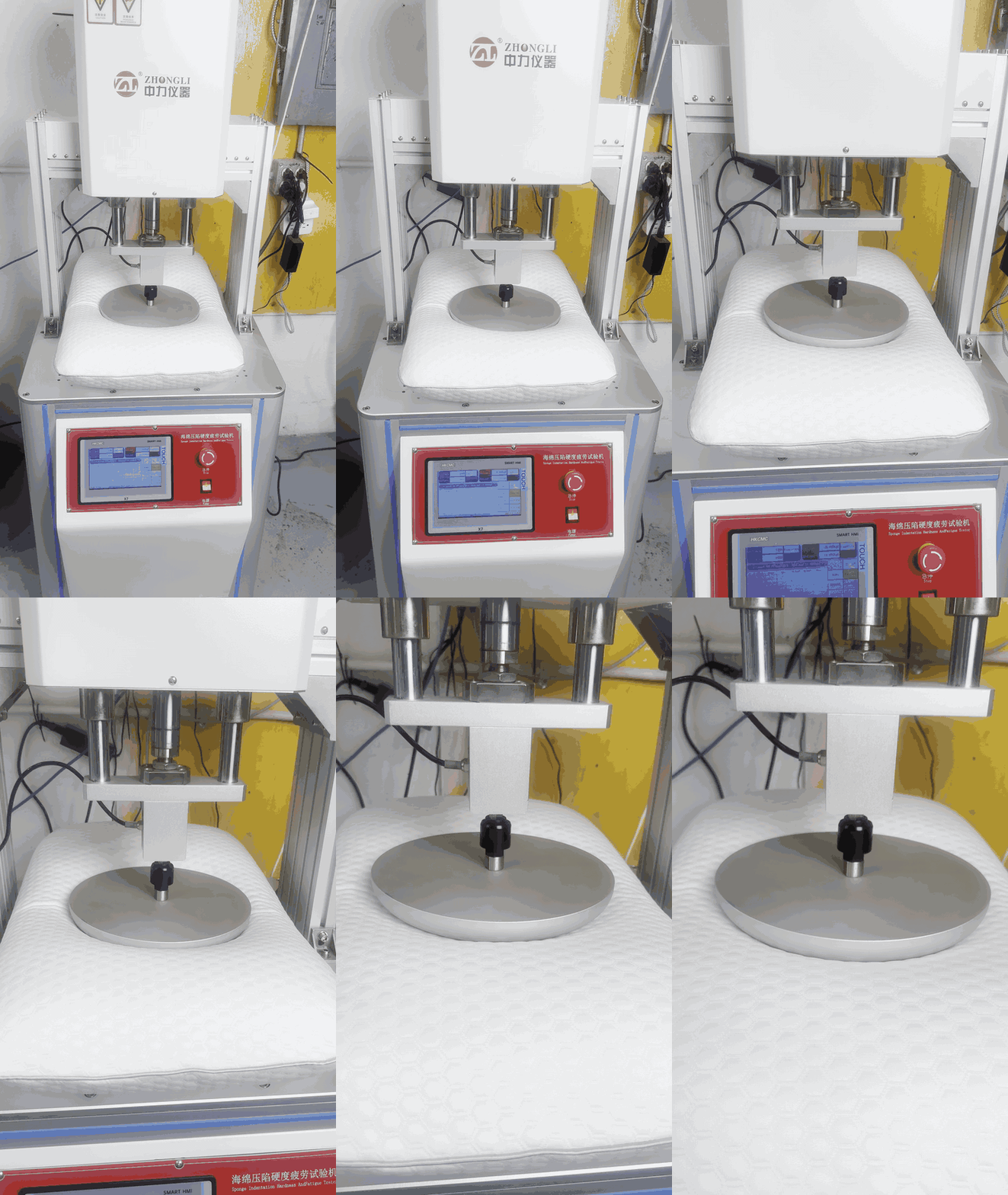
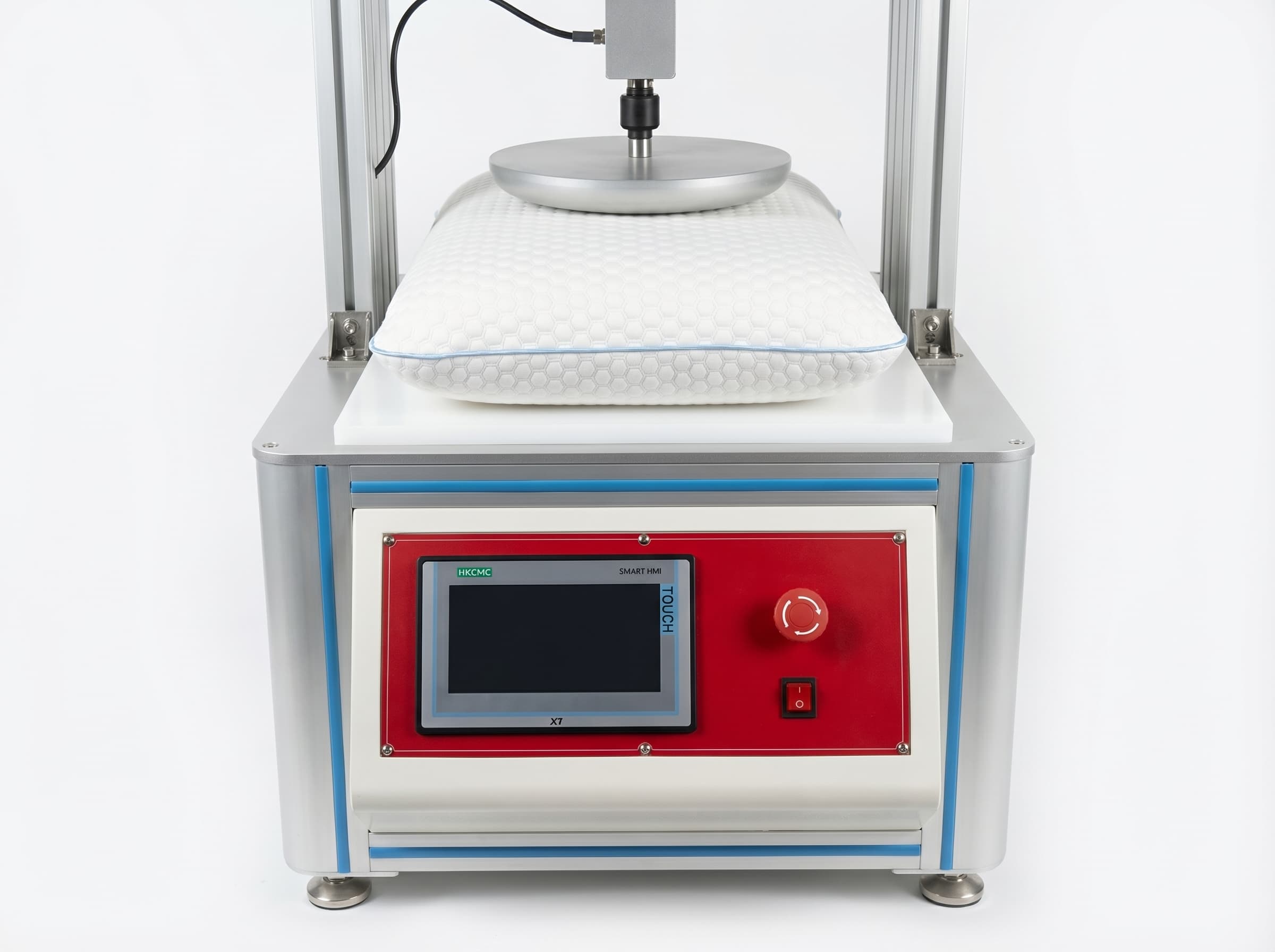
Lab protocol
A pillow can look tall on the bed and still flatten once your head is on it. Our pressure testing helps us recommend the profile that keeps your neck supported through the night.
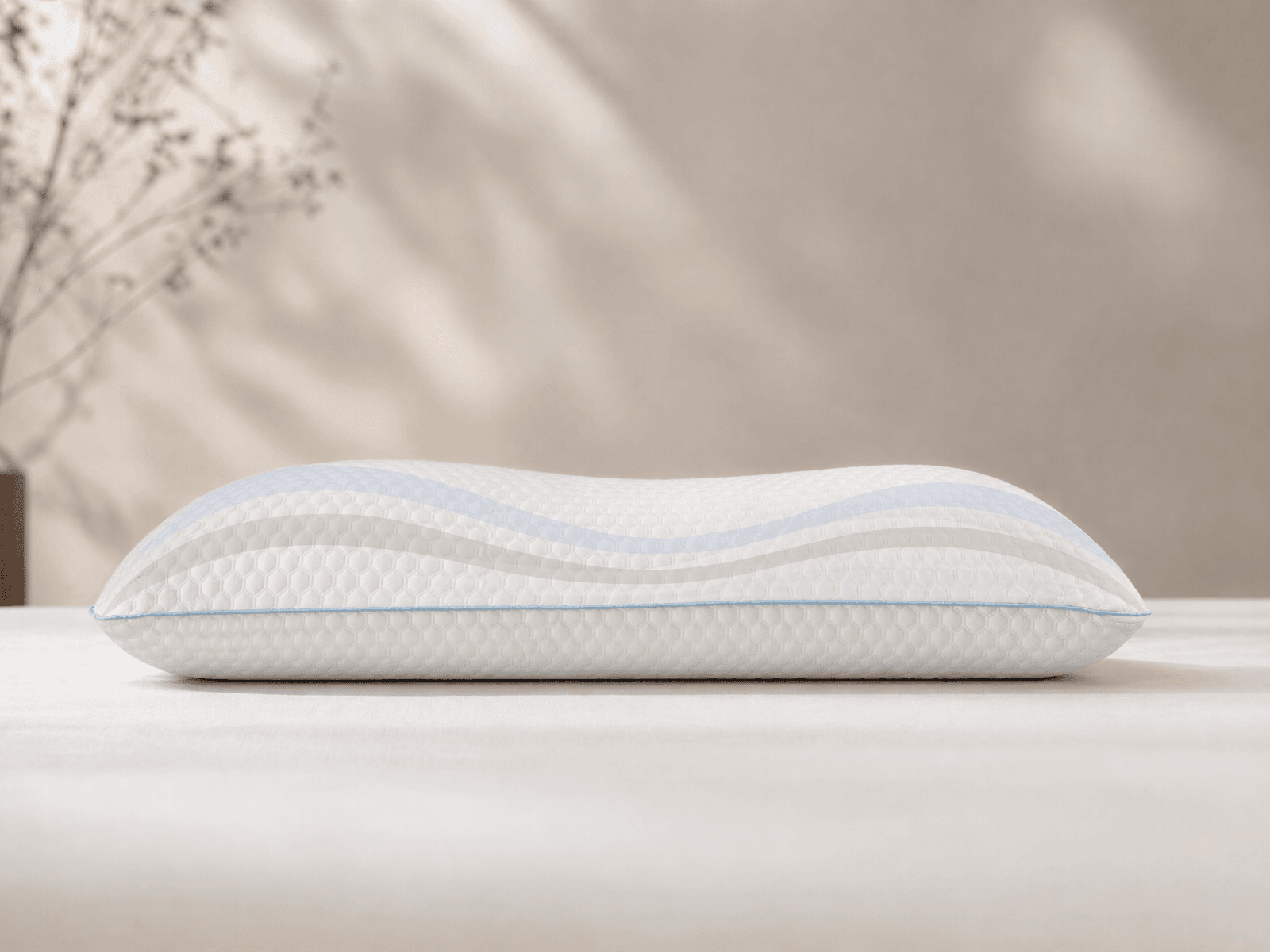
Profile support
Every Maple pillow looks simple on the bed, but each profile is built to hold a different amount of height under your head. That makes it easier to choose Low, Balance, or Lift without decoding a spec sheet.
The lineup
More options do not make this kind of decision stronger. In pillows, too many tiny variations make the whole recommendation feel arbitrary. Maple keeps the family compact so each profile is meaningfully different and easier to trust.
Drift Low
Lowest support for flatter sleep positions
Ease Low
Lower support for a flatter neck position
Balance
Medium support for neutral alignment
Balance Flex
Medium support with quicker rebound
Lift
Higher support for everyday side sleepers
Lift Plus
Higher support for larger shoulder gaps
Rise
Maximum lift for broad shoulders
Core Firm
Firm, steady support with less sink
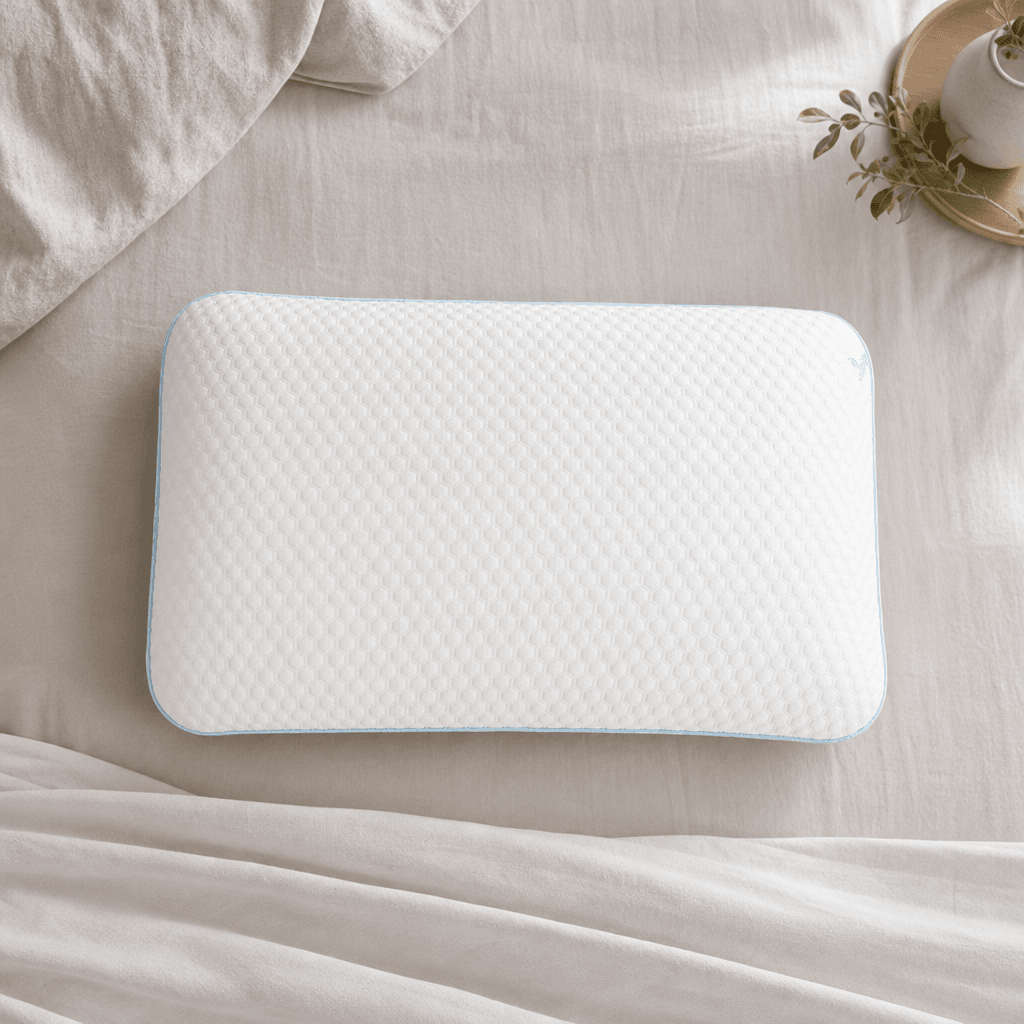
After the match
If the first few nights raise questions, we use the same fit guidance from the quiz, so you are not starting from scratch and the next step is clear.
If the pillow feels too high or too low, support uses the same clear guidance as the quiz and recommendation page instead of switching to vague return language.
The 90-day trial gives the match time to prove itself and gives you room to request the correct replacement if the profile is not right.
If the first few nights feel off, we use the same fit logic from the quiz so the next step is clear: setup help, replacement, or return.
Build yours
Choose the height and firmness you want first. The quiz remains available if you need more guidance before deciding.
Spring Sale 20% off. Shop Now